Key Takeaways
- Start with hay and pasture quality before adding supplements.
- Match protein, energy, and mineral levels to each animal's life stage.
- Adjust feeding as forage availability and seasonal conditions change.
- Read feed labels carefully and introduce ration changes gradually.
Introduction
A healthy herd starts with more than a full feed trough. The right ration supports growth, body condition, reproduction, and overall herd performance, but choosing feed can get complicated when cattle have different nutritional needs. For ranchers comparing cattle feed in Visalia, the key is understanding what their animals already get from pasture and hay before adding supplements or grain. Here's how to make practical feed choices for your herd, manage seasonal changes, and avoid paying for nutrients your cattle may not need.
1. Start With the Forage Your Cattle Eat
Hay and pasture form the foundation of most cattle diets. Before selecting a bagged feed or supplement, consider the quality and availability of your existing forage.
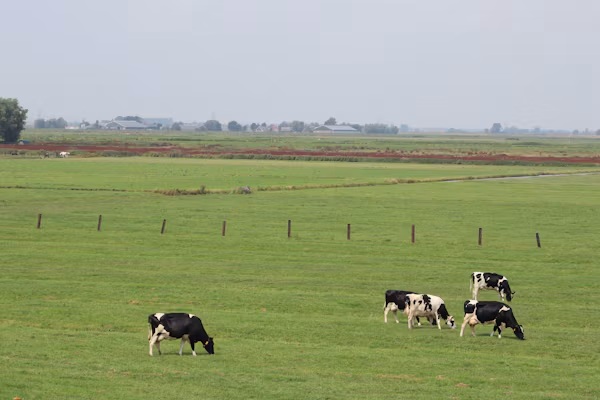
In the Central Valley, forage conditions can change with the seasons. Pasture may provide useful nutrition during periods of active growth, while dry conditions and mature grasses can reduce forage quality. Hay also varies by plant type, maturity, storage, and overall condition.
Check your forage for:
- Freshness: Avoid hay with musty smells, visible mold, or signs of spoilage.
- Texture and maturity: Very coarse, mature forage may be less digestible than leafy, well-harvested hay.
- Consistency: Sudden changes in forage can affect intake and digestion.
- Nutritional value: A forage analysis can help identify protein, energy, and mineral gaps.
UC Agriculture and Natural Resources explains that forage quality in California can vary considerably with soil conditions, location, and time of year. Its beef nutrition and performance guidance is a useful resource when evaluating a feeding program.
2. Match Feed to the Cattle's Life Stage
A growing calf does not have the same nutritional requirements as a mature cow. Feeding every animal the same ration may be convenient, but it won't necessarily support the needs of the entire herd.
Consider these broad differences:
| Cattle group | Main nutritional priorities | Feeding consideration |
|---|---|---|
| Growing calves | Protein, energy, and balanced minerals | Support steady development and adjust feed as they grow |
| Mature maintenance cows | Adequate forage and body condition | Avoid unnecessary energy intake |
| Bred and lactating cows | Nutrition suited to pregnancy or milk production | Monitor condition and changing requirements |
| Finishing steers | Consistent energy and protein | Introduce concentrate feeds gradually |
For example, a growing steer being prepared for a 4-H or FFA project may need a different feeding approach from a mature cow maintaining condition on pasture. Work with a livestock nutrition professional or veterinarian to match the ration to the animal's weight, production stage, and goals.
3. Understand Protein and Energy Levels
Protein and energy are two important parts of cattle nutrition, but more is not automatically better.
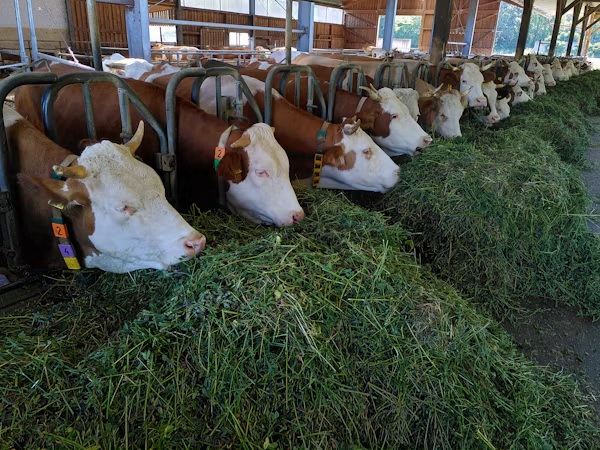
Protein supports tissue development and normal body functions. When forage quality declines, a suitable protein supplement may help cattle make better use of available roughage. Energy supports maintenance, growth, and production, and may come from forage as well as grain-based feeds.
Read the feed tag before buying. Pay attention to:
- Crude protein percentage.
- Fat and fiber levels.
- Feeding directions and intended animal type.
- Ingredient information and any medication instructions.
- Whether the product is a supplement or a complete feed.
Avoid choosing a product simply because its protein percentage is higher. The correct level depends on what the forage supplies and what the cattle require. If grain is part of the ration, introduce it gradually rather than making a sudden switch that could upset rumen function.
4. Don't Overlook Minerals and Salt
Minerals play important roles in cattle growth, reproduction, bone development, and normal body functions. However, the right supplement depends on the existing diet and the mineral profile of local forage.
Calcium, phosphorus, magnesium, sodium, copper, zinc, and selenium are among the nutrients that may need consideration. Their requirements and availability differ, so a one-size-fits-all mineral mix may not suit every herd.
When comparing cattle mineral supplements in Visalia, check the product label and intended feeding rate. Also consider whether cattle receive minerals from other supplements or a mixed ration. Providing multiple products without checking their combined nutrient levels can create unnecessary excesses.
The UC Davis guidance on trace minerals for California beef cattle offers additional background. Ask a veterinarian or qualified nutritionist about mineral testing and supplementation if you suspect a deficiency.
5. Adjust the Feeding Plan With the Seasons
A feeding program should respond to changing conditions rather than stay fixed all year. When pasture dries out or hay quality changes, cattle may need a different balance of forage, protein, energy, and minerals.
Keep an eye on:
- Changes in pasture availability and hay supply.
- Body condition across different groups of cattle.
- Water access, especially during hot weather.
- Feed intake and competition around troughs.
- Unusual changes in appetite or behavior.
Clean water is essential for healthy digestion and normal feed intake. Make sure troughs remain accessible and clean, particularly during hot Central Valley summers.
6. Choose a Feed Store That Understands Livestock Needs
A dependable cattle feed store in Visalia should help you compare products based on your herd's needs, not simply point you toward the most expensive bag. Bring details about your cattle, current forage, and feeding goals when discussing options.
Ask whether the product is intended for calves, mature beef cattle, or show animals. Check bag sizes, feeding instructions, and availability so you can plan purchases without making frequent changes to the ration.
You can also explore hay and forage options when reviewing the foundation of your feeding program.
Cattle Feed and Supplies at Mineral King Feed & Supply
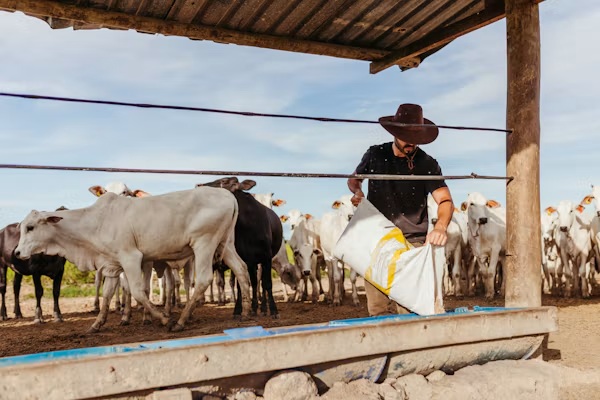
For local ranchers and livestock owners, Mineral King Feed & Supply offers cattle feed and supplements in Visalia. Its cattle range includes options for beef cattle, show steers and heifers, and calves or young stock.
The store serves commercial operations, hobby farms, and 4-H or FFA exhibitors. You can explore its cattle feed selection and discuss your animals' life stages, current forage, and feeding goals when comparing products.
FAQs
Where can I buy quality cattle feed in Visalia for my herd?
Mineral King Feed & Supply offers cattle feed and supplements in Visalia for beef cattle, calves, and show animals. Contact the store to check current product availability.
Should all cattle receive the same feed?
No. Calves, mature cows, lactating animals, and finishing steers have different nutritional requirements. Their feeding plans should reflect age, weight, condition, and production goals.
How often should I change my cattle's feed?
Change feed when nutritional needs or forage conditions require it, rather than following an arbitrary schedule. Introduce new feeds gradually, generally over one to two weeks, while monitoring intake and digestion.
Do cattle need mineral supplements if they eat good-quality hay?
Possibly. Even good hay may not supply every mineral in the required amounts. A forage analysis and professional guidance can help determine whether supplementation is appropriate.