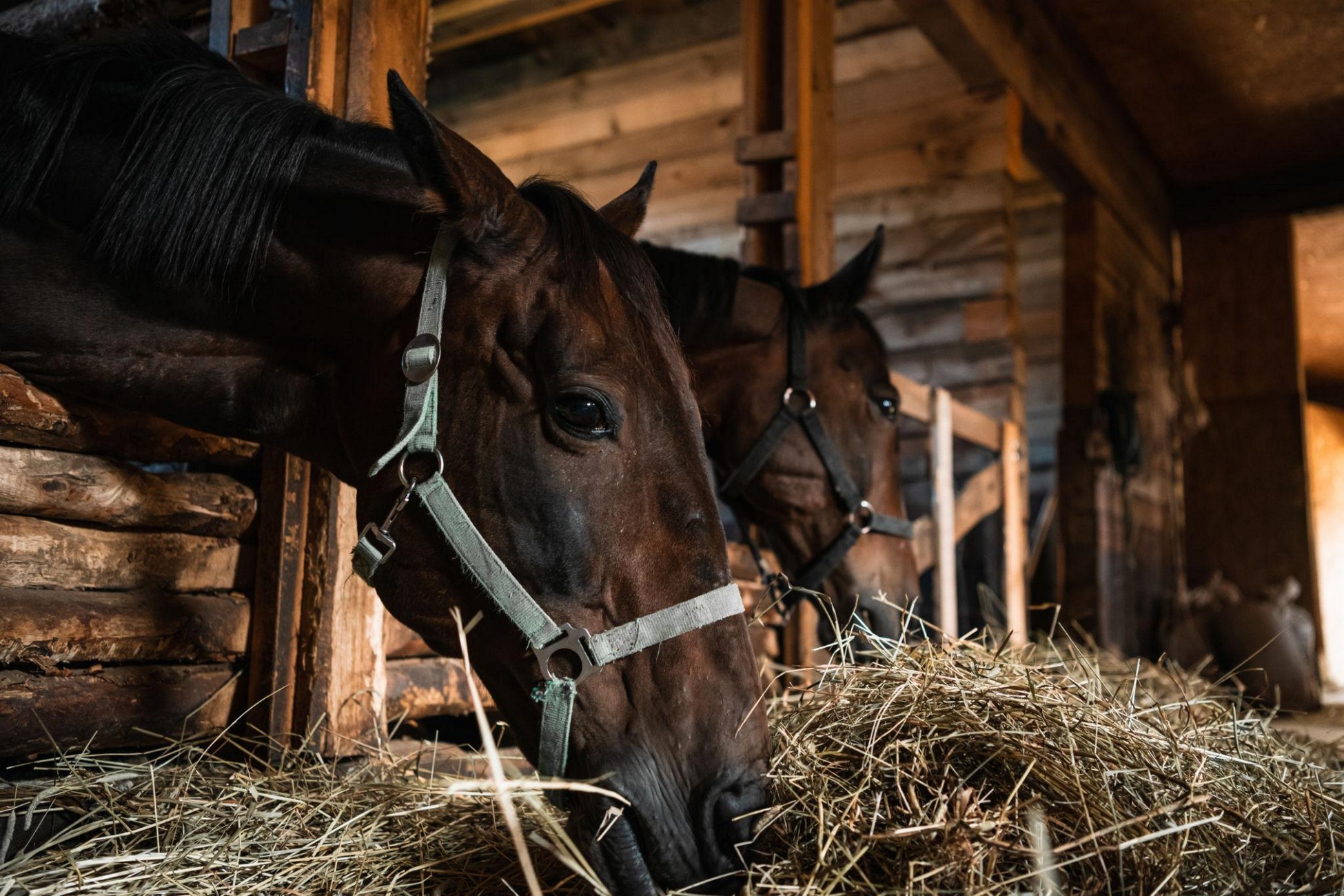
Key Takeaways
- Choose hay based on the animal's species, age, workload, body condition, and nutritional requirements.
- Evaluate hay for cleanliness, smell, maturity, moisture, leaf-to-stem ratio, and visible signs of mold or deterioration.
- A forage analysis can provide more useful nutritional information than appearance alone.
- Proper storage after purchase helps protect hay quality and reduce spoilage.
Introduction
Buying hay is not simply about finding a bale that looks fresh. The right forage depends on the animal, its nutritional needs, the hay's maturity, moisture, cleanliness, and how it has been stored. When comparing hay in Visalia, CA, horse and livestock owners should look beyond price and consider what the forage will contribute to the overall diet.
Whether you are feeding horses, cattle, goats, or other livestock, understanding the basics can make purchasing decisions easier and reduce waste.
Where Can I Find Hay for Sale in Visalia, CA?
Hay for horses and livestock is available through local feed and supply stores, hay suppliers, and agricultural retailers that can help customers select forage according to their animals' needs.
When shopping at a hay store in Visalia, ask about the type of hay, when it was harvested if known, how it was stored, and whether a forage analysis is available. A knowledgeable supplier should be able to explain the differences between available options rather than treating every bale as interchangeable.
For horses in particular, forage should be selected according to individual nutritional requirements. University of Minnesota Extension notes that plant species and maturity significantly influence hay's nutrient content, making those factors important when selecting horse forage.
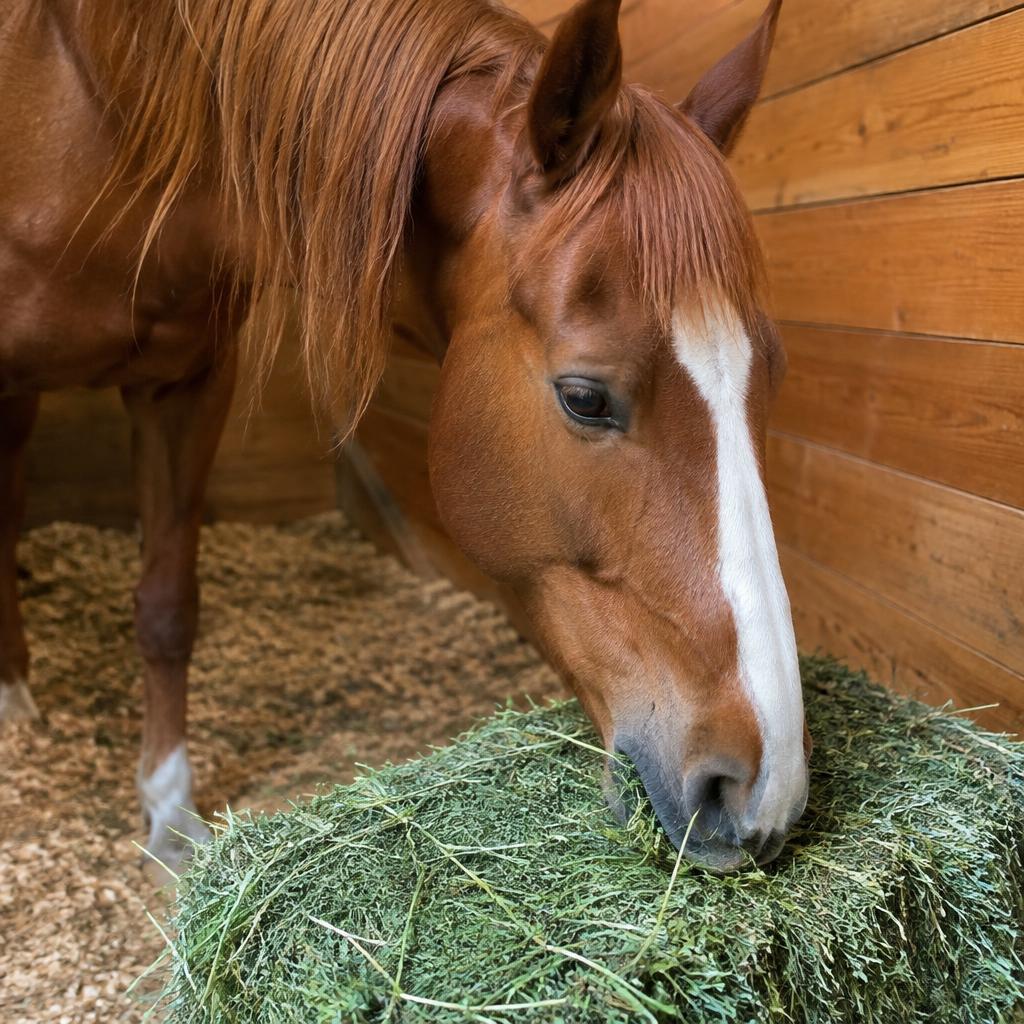
What Type of Hay Is Best for Horses?
There is no single hay that is ideal for every horse. Alfalfa, grass hay, and grass-legume mixes can all have a place in a feeding program, depending on the horse's workload, age, body condition, and nutritional needs.
| Hay Consideration | What to Look For | Why It Matters |
|---|---|---|
| Forage type | Grass, alfalfa, or mixed hay | Nutrient levels vary by plant species |
| Maturity | Leafy, appropriate maturity | Affects fiber, energy, and digestibility |
| Cleanliness | Minimal dust, mold, and weeds | Supports feed quality |
| Moisture | Properly cured and stored | Excess moisture can encourage mold |
| Leaf-to-stem ratio | Good proportion of leaves | Leaves generally provide more nutrients than stems |
When evaluating horse hay in Visalia, do not judge quality by color alone. A slightly weathered bale may still have useful nutritional value, while bright green hay is not automatically the best choice.
How Should You Evaluate Hay Before Buying?
A quick visual and physical inspection can reveal useful information before you commit to a larger purchase.
Look for:
- A fresh, natural smell rather than a musty odor
- Little visible dust when the bale is handled
- No obvious mold or excessive dampness
- A reasonable leaf-to-stem ratio
- Minimal weeds or foreign material
- Consistent quality throughout the bale
If an animal has specific dietary requirements, hay testing can provide much more useful information than appearance alone. A laboratory analysis can evaluate factors such as moisture, protein, minerals, energy, and carbohydrates.
Does Hay Quality Matter for Livestock Too?
Yes. Different livestock species and production stages have different forage requirements. A maintenance animal may need a different nutrient profile than a growing, lactating, or working animal.
For that reason, buying the most nutrient-dense hay available is not automatically the best decision. Overfeeding nutrients can be unnecessary, while underfeeding can make it difficult to maintain body condition.
Think about the animal first, then match the forage.
What Should You Ask Before Buying Hay in Visalia?
Before purchasing, ask a few practical questions:
- What type of hay is this? Identify the dominant forage species.
- Who is it intended for? Horse-quality hay and general livestock forage may have different characteristics.
- Has it been tested? Ask whether a forage analysis is available.
- How was it stored? Protection from moisture is important for maintaining quality.
- Can I inspect a bale? Looking inside the bale can reveal conditions that are not obvious from the exterior.
Storage matters after purchase, too. Hay should be protected from moisture and stored where air circulation and drainage can help limit spoilage. University of Minnesota Extension recommends protecting stored hay from moisture to help prevent deterioration.
If you are stocking up on supplies for your horse, you may also find Essential Horse Supplies Every Owner Should Keep on Hand useful when planning your regular feed and care purchases.
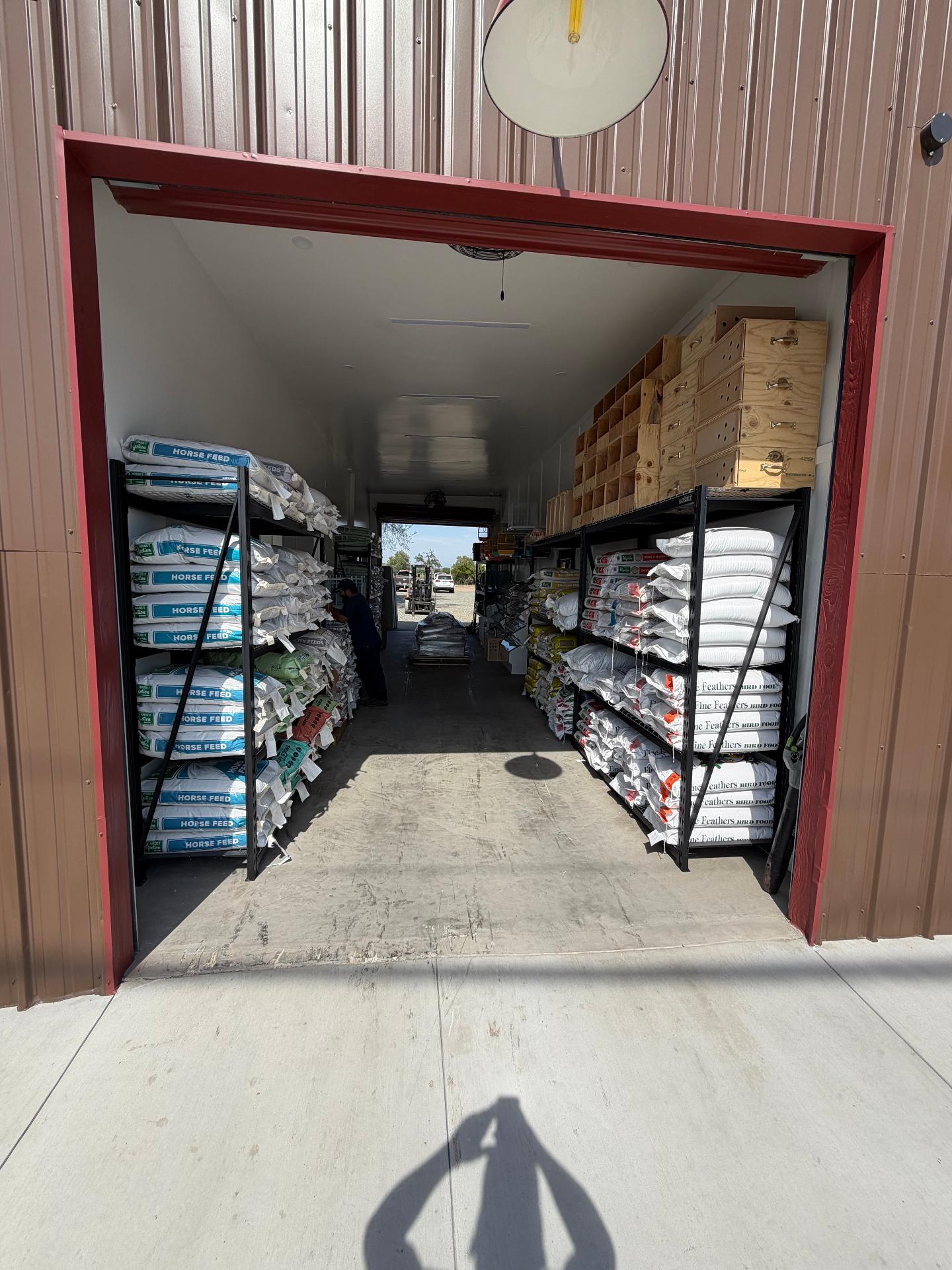
Ultimately, choosing the right hay means matching forage quality with the animal's actual needs. At Mineral King Feed & Supply, shoppers can approach hay purchases with those factors in mind rather than relying on appearance or price alone. A thoughtful selection today can make feeding routines more consistent and help you get better value from every bale.
Find the Right Hay for Your Animals
Choosing hay based on your animal's nutritional needs can make feeding more consistent and help reduce unnecessary waste. Visit Mineral King Feed & Supply to explore hay options for horses and livestock.
Frequently Asked Questions
Where can I find hay for sale in Visalia, CA, for horses and livestock?
Local feed and supply stores, hay suppliers, and agricultural retailers can provide different forage options and help match hay to specific livestock needs.
What type of hay is best for horses?
There is no single best type for every horse. Grass hay, alfalfa, and mixed hay can all be appropriate depending on the horse's nutritional requirements, workload, age, and body condition.
How can I tell if hay is good quality?
Look for a fresh smell, minimal dust, no obvious mold or dampness, a suitable leaf-to-stem ratio, and limited weeds or foreign material.
Should I get hay tested before feeding it?
Hay testing can be useful when an animal has specific nutritional requirements because laboratory analysis can provide information about moisture, protein, minerals, energy, and carbohydrates.
How should hay be stored after buying it?
Store hay in a location protected from moisture with suitable drainage and air circulation. Keeping hay dry helps reduce deterioration and spoilage.